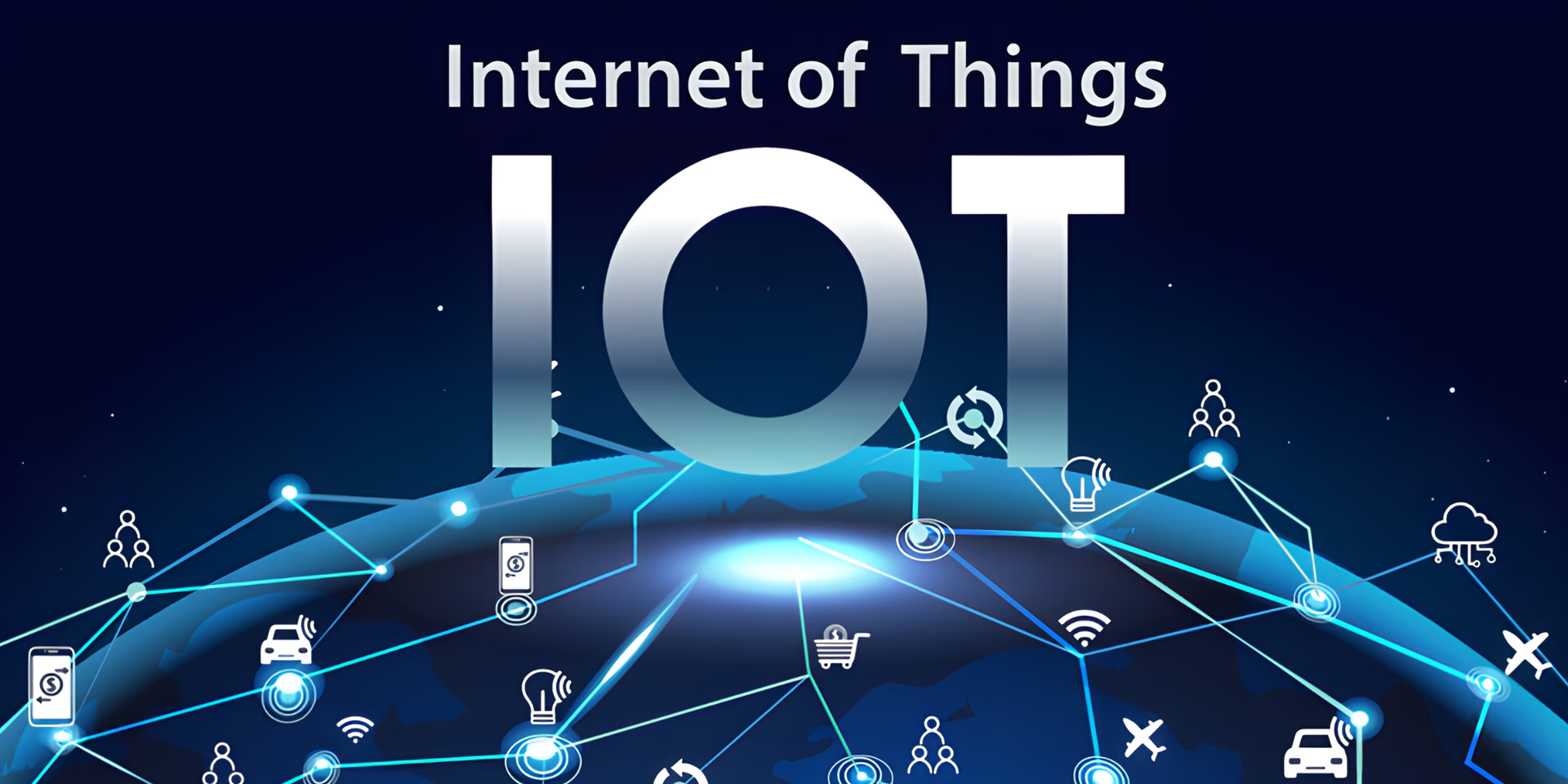
Have you ever heard about smart homes, fitness trackers, or connected cars? All these are part of something called the Internet of Things, or IoT for short.
IoT is changing the way we live, work, and interact with technology by connecting everyday objects to the internet. But what exactly is IoT, and how does it work? Why is it important? And how will it affect our future?
In this article, we will explain Internet of Things in simple terms, explore its uses, benefits, challenges, and what the future holds.
What Is the Internet of Things (IoT)?
The Internet of Things (IoT) refers to the network of physical devices connected to the internet. These devices collect, send, and receive data to make our lives smarter and easier.
Think of your smartphone — it connects to the internet to send messages and browse websites. Now imagine everyday items like your fridge, watch, or car also connecting to the internet to share useful information. That’s IoT.
Simply put, IoT = Objects connected to the internet to communicate and share data automatically.
How Does IoT Work?
IoT works through four main steps:
- Sensors/Devices: Physical objects have sensors or chips that collect data.
- Example: A smart thermostat senses the temperature in your room.
- Connectivity: These devices connect to the internet via Wi-Fi, Bluetooth, or other networks.
- Example: Your smart fridge connects to your home Wi-Fi.
- Data Processing: Data collected by the devices is sent to a cloud server or local computer to be analyzed.
- Example: The thermostat sends temperature data to the cloud.
- User Interface: The processed information is shown to the user, or the device takes an action automatically.
- Example: The thermostat adjusts the heating based on the data or you control it via your phone.
Examples of IoT in Everyday Life
IoT is already around you — maybe you just don’t notice it. Here are some common examples:
- Smart Home Devices:
- Smart lights that turn on when you enter a room.
- Smart locks you control remotely from your phone.
- Voice assistants like Alexa or Google Home.
- Wearables:
- Fitness trackers that count steps and monitor your heart rate.
- Smartwatches that show notifications and track health.
- Smart Appliances:
- Refrigerators that tell you when groceries are low.
- Washing machines you can start remotely.
- Connected Cars:
- Cars that provide real-time traffic updates and automatic emergency calls.
- Healthcare:
- Devices that monitor patient health remotely and send alerts.
- Smart Cities:
- Streetlights that adjust brightness based on traffic.
- Sensors to monitor air quality and reduce pollution.
Benefits of IoT
IoT offers many advantages that make life better:
1. Convenience
Control devices remotely using your smartphone or voice. No need to be physically near them.
2. Time-Saving
Automate daily tasks like turning off lights, adjusting temperature, or ordering groceries.
3. Energy Efficiency
Smart devices optimize electricity or water usage, helping you save money and protect the environment.
4. Health Monitoring
Wearables help you track fitness and notify you or doctors about health issues early.
5. Improved Safety
Smart alarms and cameras protect your home. Connected cars can avoid accidents.
6. Business Benefits
Companies can monitor equipment remotely, reduce downtime, and improve customer experience.
Challenges and Risks of IoT
While IoT is exciting, it also brings some challenges:
1. Security Risks
Connected devices can be hacked, leading to privacy breaches or misuse. Imagine someone controlling your smart lock without permission!
2. Privacy Concerns
IoT devices collect a lot of personal data. If this data is misused, it can harm your privacy.
3. Complexity
Managing many devices and ensuring they work well together can be difficult.
4. Cost
Smart devices can be expensive, and upgrading them may require continuous investment.
5. Internet Dependency
If your internet goes down, some devices might stop working.
IoT and Data
The power of IoT lies in data. Devices continuously collect information, and analyzing this data helps make better decisions.
For example, smart city sensors can analyze traffic patterns to reduce congestion. Businesses use IoT data to improve product design or customer service.
However, this also means data security and privacy become top priorities. Strong protection measures are needed to keep data safe.
The Future of IoT
The future of IoT looks bright and full of possibilities:
- More Connected Devices: Billions more objects will join the IoT network.
- Artificial Intelligence (AI) and IoT: AI will make devices smarter, enabling better predictions and automation.
- 5G Networks: Faster internet will improve device communication and reduce delays.
- Smart Cities: Urban areas will become more efficient and environmentally friendly.
- Healthcare Revolution: Remote patient monitoring and telemedicine will improve care quality.
- Industry 4.0: Factories will use IoT for automated manufacturing and maintenance.
Careers in IoT
IoT is creating new job opportunities in areas like:
- IoT Development
- Data Analysis
- Network Security
- Embedded Systems Engineering
- Cloud Computing
- AI and Machine Learning
If you love technology and innovation, IoT offers a promising future!
How You Can Start Using IoT Today
- Try smart home devices like smart bulbs, plugs, or assistants.
- Use fitness trackers to monitor your health.
- Explore smart appliances that simplify your chores.
- Stay informed about IoT privacy and security best practices.
Conclusion
The Internet of Things (IoT) is connecting our world like never before. From smart homes to healthcare and industries, IoT is transforming how we live and work.
By understanding IoT, its benefits, and challenges, you can make the most of this technology safely and smartly.
IoT is not just a trend — it’s the future of a connected and intelligent world!