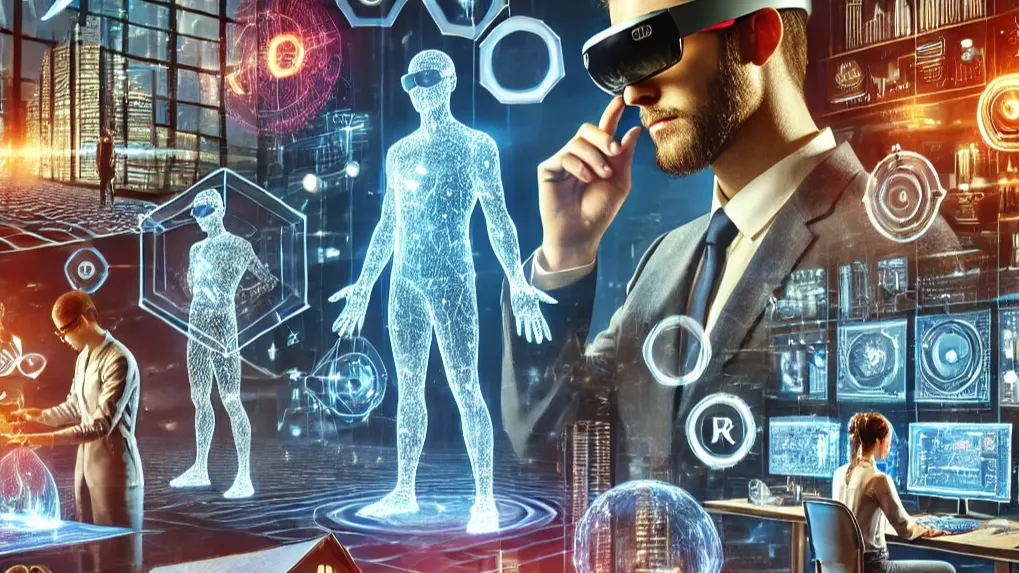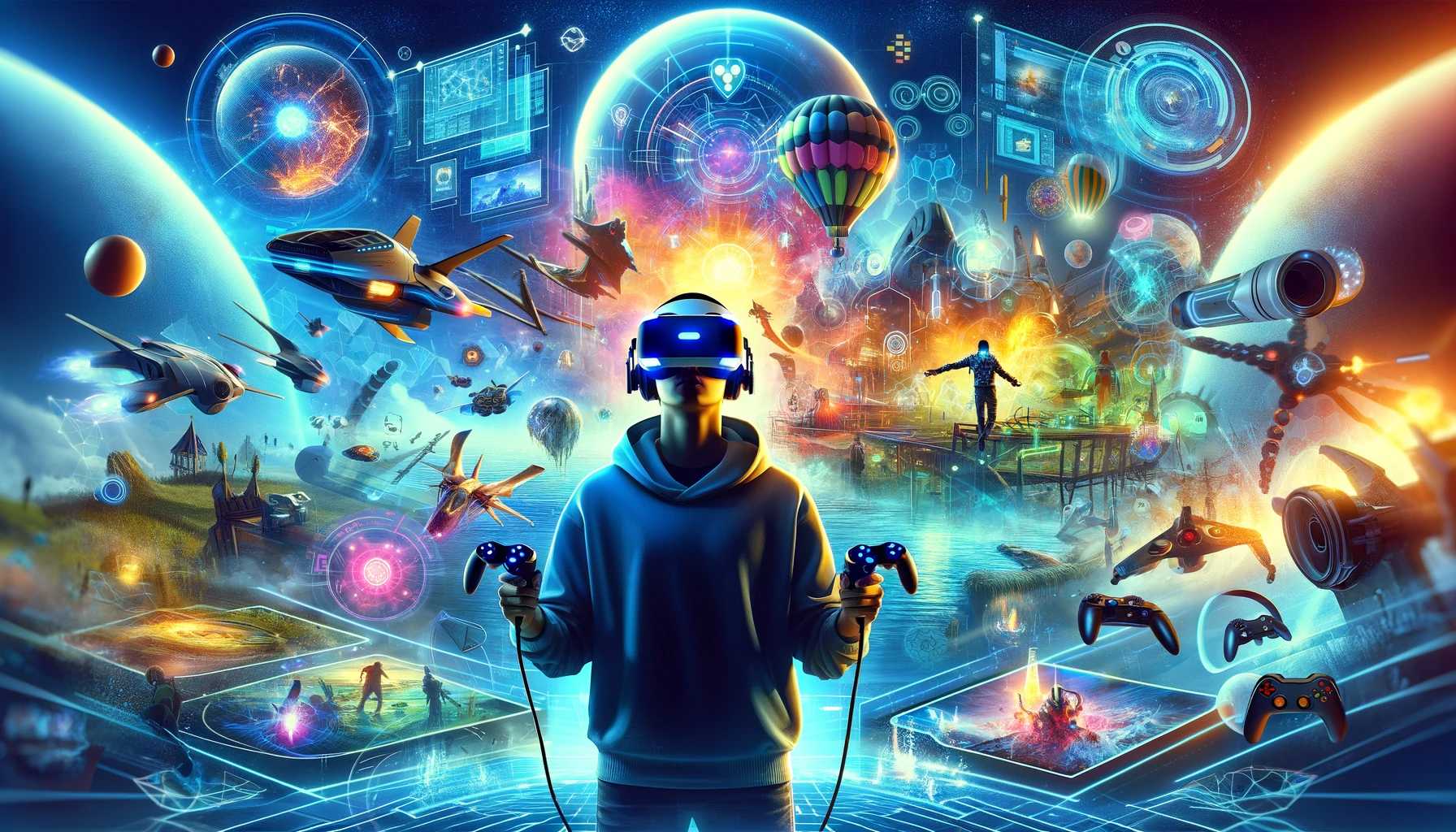
Imagine putting on special goggles and suddenly finding yourself inside a video game, exploring distant planets, or walking through a museum from your living room. This exciting experience is called Virtual Reality, or VR.
Virtual Reality is changing how we play, learn, work, and even heal. But what exactly is VR? How does it work? What are its uses and future possibilities?
In this article, we’ll explain VR in simple words, show how it works, and explore why it’s becoming so popular around the world.
What Is Virtual Reality (VR)?
Virtual Reality is a technology that creates a simulated, three-dimensional environment that feels real. By using devices like VR headsets, gloves, or controllers, you can interact with this virtual world as if you were actually there.
Unlike watching a movie or playing a video game on a screen, VR surrounds you completely, making the experience immersive — it tricks your brain into thinking the virtual world is real.
How Does VR Work?
Virtual Reality combines several technologies:
- VR Headsets: These are special goggles or helmets with screens that show 3D images. They cover your eyes to block out the real world.
- Motion Sensors: These detect your head and body movements so the virtual environment changes accordingly.
- Controllers: Handheld devices let you interact with virtual objects. Some gloves or suits even track finger and body movements.
- Audio: Surround sound or headphones create realistic sounds that match the virtual scene.
When you wear a VR headset, the device shows two slightly different images — one for each eye — which your brain combines to create a 3D effect. As you move your head, the sensors track your motion and update the view instantly. This creates the feeling of being inside the virtual world.
Types of Virtual Reality
VR can be classified into different types based on how immersive and interactive they are:
1. Non-Immersive VR
You interact with a virtual environment through a computer screen or smartphone, but you are still aware of the real world around you.
- Example: VR apps or games played on a desktop with a mouse and keyboard.
2. Semi-Immersive VR
Uses large screens or projectors to create a more engaging experience without full isolation.
- Example: Flight simulators with large wrap-around screens.
3. Fully Immersive VR
Uses VR headsets, motion tracking, and controllers to create a complete, immersive experience.
- Example: Oculus Quest, HTC Vive, or PlayStation VR.
Applications of Virtual Reality
VR is not just for gaming. It has many real-world uses across different fields:
1. Gaming and Entertainment
VR allows players to step inside games and explore 3D worlds. It’s like becoming part of the story. Virtual concerts, theme park rides, and 360-degree videos are also popular.
2. Education and Training
VR helps students learn by immersing them in virtual classrooms, historical sites, or science labs.
Pilots, doctors, and soldiers use VR simulators to practice skills safely.
3. Healthcare
VR helps patients manage pain, recover from injuries, or treat mental health issues like anxiety and PTSD. Surgeons use VR to plan and practice surgeries.
4. Architecture and Real Estate
VR lets buyers explore virtual models of homes or buildings before construction. Architects use it to design and visualize projects better.
5. Business and Collaboration
Remote teams use VR meeting spaces to feel like they’re working together in the same room, improving communication and creativity.
6. Tourism and Travel
VR offers virtual tours of cities, museums, or natural wonders, allowing people to explore without leaving home.
Advantages of Virtual Reality
- Immersive Experience: VR creates a deep sense of presence and engagement.
- Safe Practice: VR training allows users to learn dangerous or complex tasks without risks.
- Accessibility: Virtual travel and learning open opportunities for people who can’t travel physically.
- Increased Focus: The immersive nature reduces distractions.
- Entertainment Innovation: New ways to enjoy games, movies, and events.
Challenges of Virtual Reality
- Cost: Good VR equipment can be expensive for users.
- Motion Sickness: Some people feel dizzy or nauseous when using VR due to mismatched motion signals.
- Physical Space: VR requires room to move safely.
- Technical Limitations: Graphics and battery life are improving but still limiting factors.
- Content Development: Creating good VR experiences needs time and money.
The Future of Virtual Reality
VR technology is growing fast, and exciting developments are on the horizon:
- Improved Hardware: Smaller, lighter headsets with better screens and wireless capabilities.
- Mixed Reality: Combining VR with real-world elements (called Augmented Reality or AR) for new experiences.
- Social VR: More people interacting together in virtual worlds.
- AI Integration: Smarter virtual characters and environments.
- VR in Daily Life: Shopping, fitness, therapy, and education moving more into virtual spaces.
How to Get Started with Virtual Reality
If you want to try VR, here’s what you need:
- Choose a VR Device: Popular options include Oculus Quest, HTC Vive, PlayStation VR, or even mobile VR with a smartphone.
- Find VR Content: Games, educational apps, virtual tours, or fitness programs. Many are available on platforms like SteamVR or the Oculus Store.
- Prepare Your Space: Clear a safe area to move around without obstacles.
- Follow Safety Tips: Take breaks often to avoid motion sickness and eye strain.
Conclusion
Virtual Reality is more than just a fun gadget — it’s a technology reshaping entertainment, education, healthcare, and business.
By creating immersive and interactive experiences, VR helps us explore new worlds, learn new skills, and connect with others in powerful ways.
As the technology advances and becomes more accessible, VR will become an important part of everyday life.
Are you ready to step into the virtual world?