Have you ever wondered how websites are made? When you visit a website, everything you see — text, images, buttons, and animations — is created by a process called web development.
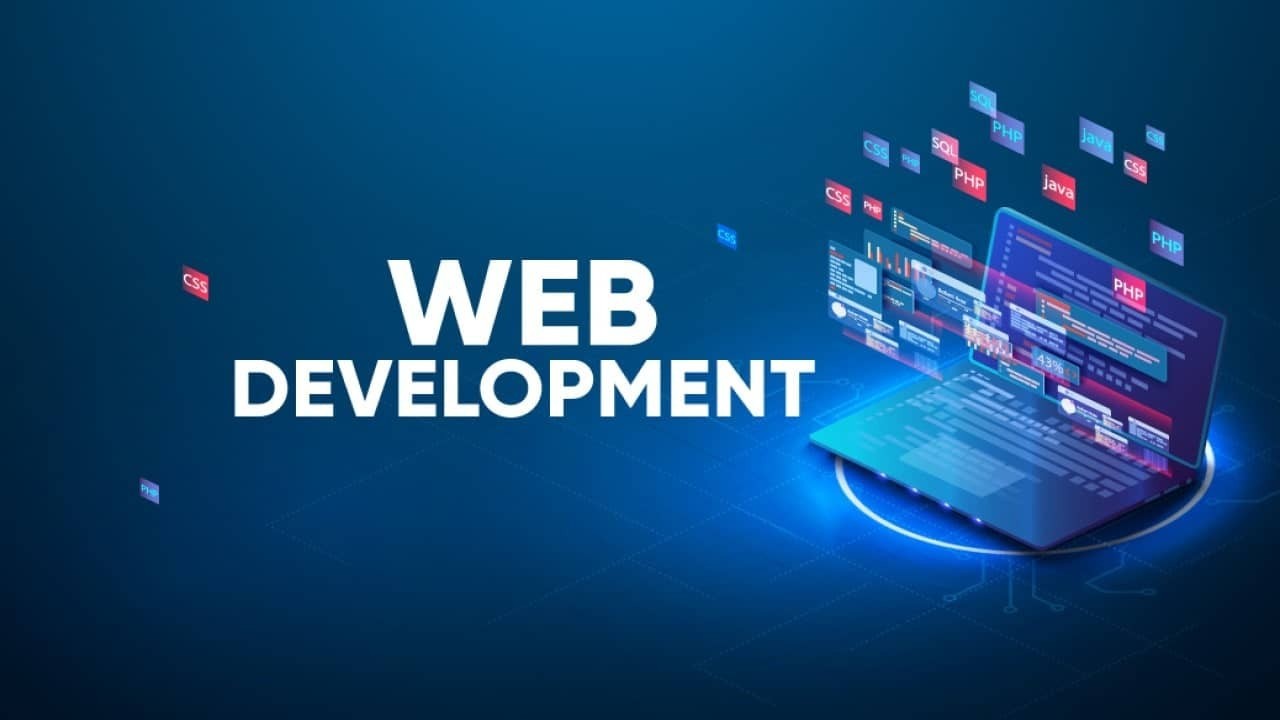
Web development is the art and science of building websites and web applications that run on the internet. It’s what makes websites work and look the way they do.
In this article, we’ll explain what web development is, how it works, different types of web development, the tools used, and why it matters in today’s digital world.
What Is Web Development?
Web Development is the process of creating websites or web applications. It includes everything from building simple pages with text and images to creating complex online platforms like social media sites, online stores, or streaming services.
When you type a website address (URL) in your browser, web development is what makes the site appear and work.
Web development involves two main parts:
- Front-End Development: What you see and interact with on the website (buttons, layouts, text, images).
- Back-End Development: The behind-the-scenes code that stores data, processes requests, and controls how the website works.
Front-End Development (Client-Side)
Front-end development is all about the user interface (UI) — the part of the website users interact with directly.
Front-end developers use these main technologies:
- HTML (HyperText Markup Language): The structure of the webpage. It defines headings, paragraphs, images, links, and more.
- CSS (Cascading Style Sheets): The design and style. CSS controls colors, fonts, layouts, and responsiveness (how the site adjusts to different screen sizes).
- JavaScript: The behavior and interactivity. JavaScript makes websites dynamic, allowing things like animations, forms, and real-time updates.
Example:
When you visit a news site, the way the articles are arranged, the colors, the menus, and the buttons you click are all created by front-end development.
Back-End Development (Server-Side)
Back-end development works behind the scenes. It powers the website’s functionality and connects the front end to databases and servers.
Back-end developers use programming languages and frameworks like:
- Languages: Python, Java, Ruby, PHP, JavaScript (Node.js)
- Databases: MySQL, MongoDB, PostgreSQL (where the website stores data)
- Servers: Handle user requests and send data back to the browser.
Example:
When you log in to your email, the back-end checks your username and password, retrieves your emails from the database, and sends them to the front end for display.
Full-Stack Development
A full-stack developer works on both the front end and back end. They can build complete websites or web applications by handling all parts of development.
Types of Websites and Web Applications
Web development can create many different kinds of sites:
- Static Websites: Simple sites with fixed content (like a personal blog or brochure).
- Dynamic Websites: Sites that change content based on user actions or data (like news sites or social media).
- E-commerce Sites: Online stores where users can buy products.
- Web Applications: Interactive applications running in browsers (like Google Docs, online banking).
- Progressive Web Apps (PWAs): Websites that behave like mobile apps, offering offline access and push notifications.
Tools and Frameworks in Web Development
Web developers use various tools to speed up work and create better websites:
- Code Editors: Visual Studio Code, Sublime Text, Atom
- Front-End Frameworks: React.js, Angular, Vue.js — help build user interfaces faster
- Back-End Frameworks: Express.js (Node.js), Django (Python), Ruby on Rails
- Version Control: Git — helps manage changes to code and work collaboratively
- Package Managers: npm, Yarn — manage software libraries and dependencies
Why Is Web Development Important?
Web development is crucial because:
- Online Presence: Every business or individual needs a website to reach customers and share information.
- E-commerce Growth: Online shopping is booming, powered by web development.
- Accessibility: Web development makes information accessible from anywhere, anytime.
- Innovation: New web technologies create new ways to communicate, learn, and entertain.
- Career Opportunities: Web development skills are in high demand worldwide.
How to Start Learning Web Development
If you want to become a web developer, here’s a simple path:
- Learn HTML and CSS: Start with building simple static pages.
- Learn JavaScript: Make your pages interactive.
- Practice: Build small projects like portfolios, blogs, or to-do lists.
- Explore Back-End: Learn a back-end language and databases.
- Understand Tools: Use Git, frameworks, and editors.
- Build Projects: Create real-world websites or applications.
- Keep Learning: Web technologies evolve fast — stay updated.
Future Trends in Web Development
The web keeps evolving. Some future trends include:
- AI and Automation: Tools that write code, test websites, or personalize user experience.
- Progressive Web Apps: More websites acting like mobile apps.
- Voice Search and Chatbots: Making websites interact through voice and chat.
- Web3 and Decentralization: New internet models with blockchain integration.
- Better Performance and Security: Faster loading, stronger protection against threats.
Conclusion
Web development is the backbone of the internet. It turns ideas into websites and applications that connect people, businesses, and information worldwide.
Whether you want to create your own website or start a career in tech, learning web development is a smart choice. With patience and practice, anyone can build amazing things on the web.
Ready to start your web development journey? The digital world is waiting!