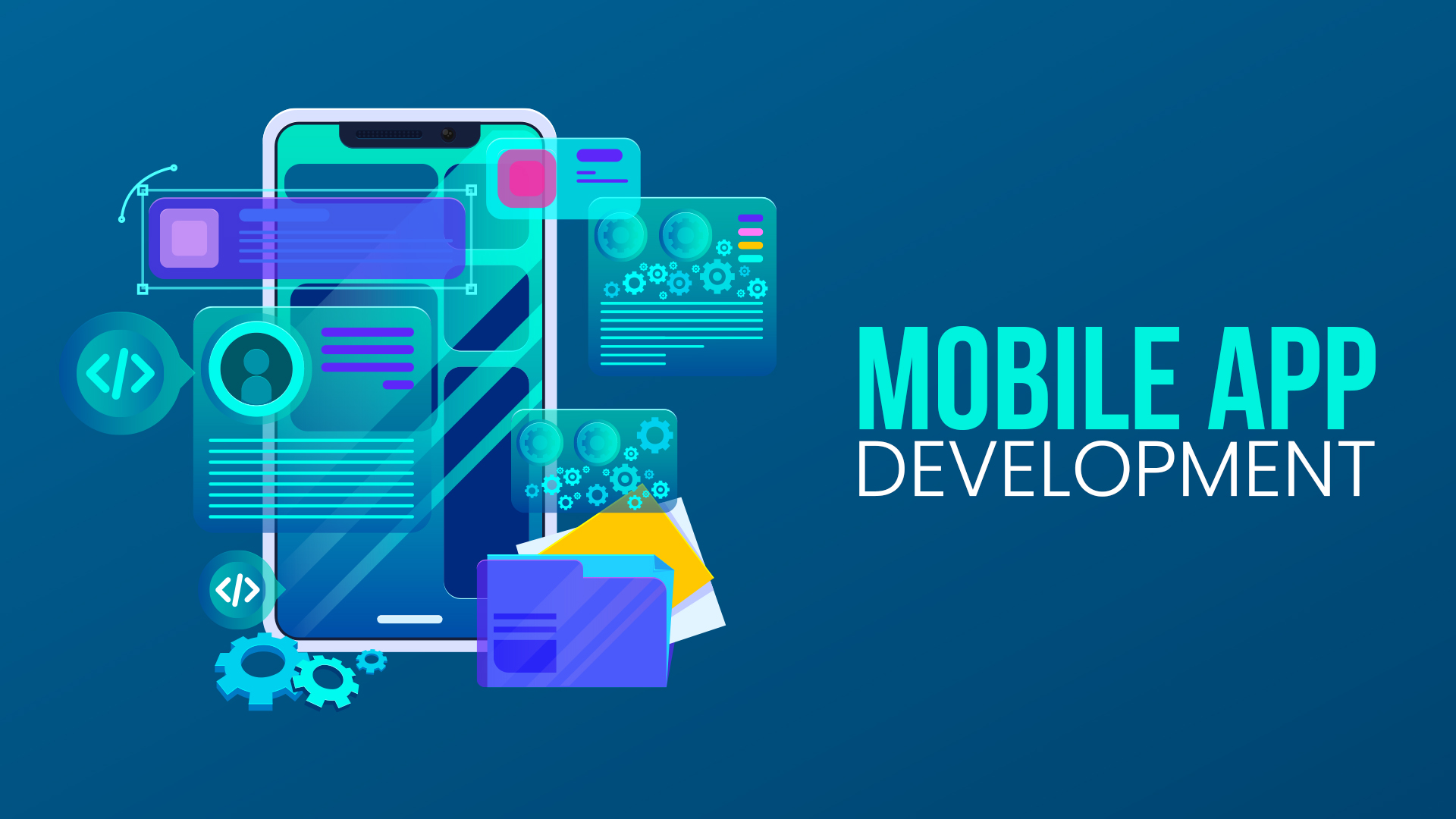
Every day, millions of people use mobile apps for chatting, shopping, learning, gaming, and much more. But have you ever wondered how these apps are made? The answer lies in Mobile App Development.
Mobile app development is the process of designing and building software applications that run on smartphones and tablets. These apps bring powerful functions right into your pocket, making life easier and more fun.
In this article, we will explain mobile app development in simple words, the types of apps, how they are made, tools used, and why this field is so important today.
What Is Mobile App Development?
Mobile App Development is the process of creating software applications that work on mobile devices like smartphones and tablets. These apps can be simple, like a calculator or notes app, or complex, like social media platforms or mobile games.
Developers write code to build apps that can perform specific tasks, connect to the internet, access device features (camera, GPS), and interact with users.
Types of Mobile Apps
There are mainly three types of mobile apps, based on how they are built and work:
1. Native Apps
Native apps are built for a specific operating system (OS), like iOS (Apple devices) or Android. They use the programming languages and tools made for that OS.
- iOS Apps: Written in Swift or Objective-C.
- Android Apps: Written in Java or Kotlin.
Advantages:
- Fast and responsive.
- Full access to device features.
- Better user experience.
Disadvantages:
- Need separate code for iOS and Android (more time and cost).
2. Web Apps
Web apps run inside a web browser and do not need installation from an app store. They are built using web technologies like HTML, CSS, and JavaScript.
Advantages:
- Works on any device with a browser.
- Easier to update and maintain.
Disadvantages:
- Limited access to device features.
- Usually slower than native apps.
3. Hybrid Apps
Hybrid apps combine elements of native and web apps. They are built using web technologies but wrapped in a native container that allows them to be installed and access some device features.
Tools like React Native, Flutter, and Ionic help create hybrid apps.
The Mobile App Development Process
Building a mobile app involves several important steps:
1. Idea and Planning
- Define the app’s purpose and target audience.
- List the key features and functions.
- Choose the platform(s) (iOS, Android, or both).
2. Design
- Create wireframes or mockups showing how the app will look.
- Design the user interface (UI) for a smooth and attractive experience.
- Focus on user experience (UX) to make the app easy and enjoyable to use.
3. Development
- Write the app’s code using the chosen programming language and tools.
- Build the front end (what users see) and back end (servers, databases).
- Test the app to fix bugs and improve performance.
4. Testing
- Test on different devices and screen sizes.
- Check for bugs, crashes, and usability issues.
- Get feedback from users to improve the app.
5. Deployment
- Publish the app on app stores like Google Play Store and Apple App Store.
- Follow store guidelines and submit the app for review.
6. Maintenance and Updates
- Regularly update the app to fix bugs and add new features.
- Monitor user feedback and analytics to improve the app.
Popular Tools and Technologies
- Programming Languages: Swift, Objective-C, Java, Kotlin, JavaScript
- Frameworks: React Native, Flutter, Xamarin, Ionic
- Development Environments: Xcode (for iOS), Android Studio
- Backend Services: Firebase, AWS, Azure
- Design Tools: Figma, Sketch, Adobe XD
Why Is Mobile App Development Important?
- Mobile Usage: Over half the world uses smartphones, making apps essential.
- Business Growth: Apps help businesses reach customers directly and boost sales.
- Convenience: Apps simplify tasks like banking, shopping, and communication.
- Innovation: Mobile apps bring new ideas to life, from fitness tracking to gaming.
- Career Opportunities: Skilled app developers are in high demand globally.
Challenges in Mobile App Development
- Device Diversity: Many different screen sizes, OS versions, and device capabilities.
- Performance: Apps must be fast and responsive.
- Security: Protecting user data is critical.
- App Store Rules: Meeting guidelines for approval can be complex.
- User Retention: Keeping users engaged over time is challenging.
The Future of Mobile App Development
- 5G Connectivity: Faster internet will enable more powerful apps.
- AI and Machine Learning: Smarter apps that learn user preferences.
- Augmented Reality (AR) and Virtual Reality (VR): More immersive experiences.
- Wearable Technology: Apps for smartwatches, fitness trackers, and more.
- Cross-Platform Development: Easier building for multiple platforms with one codebase.
How to Start Learning Mobile App Development
- Choose a platform: iOS or Android are good starting points.
- Learn programming languages: Swift for iOS, Java/Kotlin for Android.
- Use online courses and tutorials: Websites like Coursera, Udemy, and freeCodeCamp.
- Build simple apps: Practice by creating basic projects.
- Explore frameworks: Try React Native or Flutter for cross-platform apps.
- Join developer communities: Get help, share ideas, and stay updated.
Conclusion
Mobile app development is the key to creating the apps that power our modern lives. It blends creativity, technology, and problem-solving to build tools that entertain, educate, and connect us.
Whether you want to build an app for fun, start a business, or begin a new career, learning mobile app development opens exciting doors in today’s digital world.
Are you ready to create the next great app?