Artificial Intelligence, often called AI, is one of the most exciting and powerful technologies in the world today. You may have already used AI without even realizing it — when you ask your phone for directions, when Netflix recommends a movie, or when your camera automatically focuses on faces.
AI is everywhere, quietly making our lives easier, faster, and more convenient. But what exactly is AI, how does it work, and why is it so important for our future? Let’s explore all of this in simple terms.
🌍 What Is Artificial Intelligence?
Artificial Intelligence is a branch of computer science that focuses on creating machines that can think, learn, and make decisions like humans.
In simple words, AI allows computers to do things that normally require human intelligence — such as understanding language, recognizing pictures, solving problems, and even learning from experience.
Instead of following only strict rules, AI systems can analyze data, find patterns, and improve over time. That’s why AI becomes smarter the more it is used.
🧠 How Does AI Work?
AI works by combining data, algorithms, and computing power.
Here’s how it happens step-by-step:
- Data Collection: AI systems are trained using large amounts of data — like images, text, or voice recordings.
- Learning Patterns: The AI studies the data and learns how things are related. For example, it learns what a “cat” looks like by analyzing thousands of cat photos.
- Making Predictions: Once trained, the AI can predict or recognize new things. For instance, it can tell whether a photo has a cat in it or not.
- Improving Over Time: The more data it gets, the more accurate and intelligent it becomes.
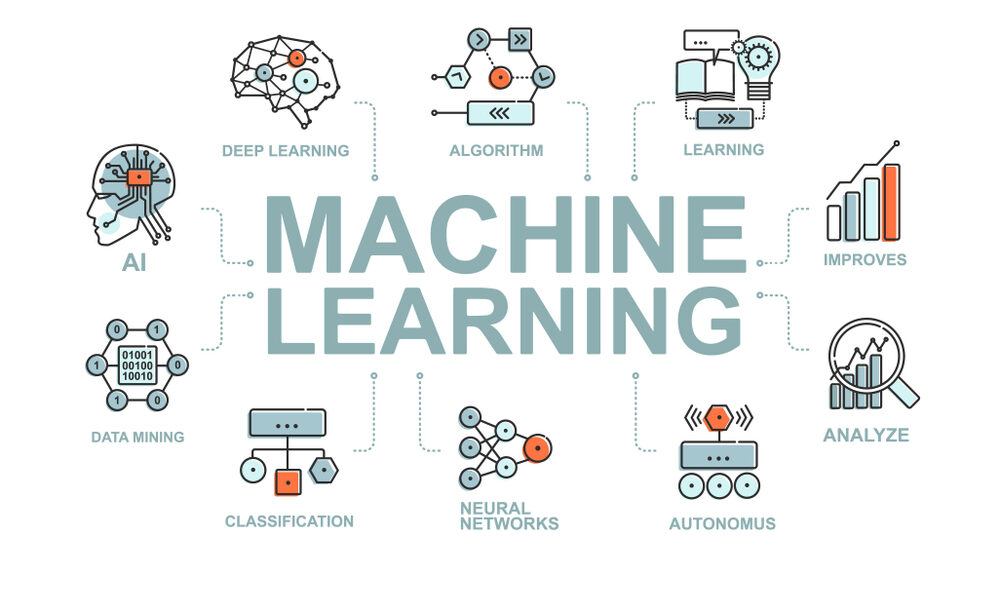
This process is called machine learning, which is a key part of AI.
⚙️ Types of Artificial Intelligence
AI isn’t just one thing — it comes in different types and levels of intelligence. Let’s look at the main ones:
1. Narrow AI (Weak AI)
This is the type of AI we use today. It’s designed to perform one specific task — like voice assistants (Siri, Alexa), spam filters, or recommendation systems.
It’s called “narrow” because it can only do what it’s trained for.
2. General AI (Strong AI)
This type of AI doesn’t exist yet, but scientists are working on it. It would be able to think, reason, and learn just like a human — being good at anything, not just one job.
3. Super AI
This is an even more advanced form of AI that could surpass human intelligence. It’s the kind of AI you often see in science fiction movies. Experts debate whether it will ever exist — and if it does, it will need strong ethical controls.
💡 Examples of AI in Everyday Life
AI is all around us. Here are some simple examples of how it’s used every day:
- Smartphones: Voice assistants, facial recognition, and autocorrect are powered by AI.
- Social Media: Platforms like Facebook and Instagram use AI to recommend posts and identify fake accounts.
- Online Shopping: Websites like Amazon use AI to suggest products you might like based on your browsing habits.
- Healthcare: Doctors use AI to detect diseases early and analyze medical images.
- Transportation: Self-driving cars use AI to understand roads and avoid obstacles.
- Banking: AI helps detect fraud, approve loans, and answer customer questions.
- Entertainment: Netflix and Spotify use AI to recommend shows, movies, and songs.
So, even if you don’t realize it, AI plays a big part in your daily life.
📚 The Importance of Data in AI
AI depends heavily on data — it’s like food for the system. The more data an AI has, the smarter it becomes.
For example, an AI that’s trained on millions of photos of animals can quickly learn to recognize dogs, cats, and birds.
However, if the data is wrong, incomplete, or biased, the AI might make mistakes. That’s why it’s important to feed AI systems accurate and fair information.
🔄 Machine Learning and Deep Learning
Two important branches of AI are machine learning (ML) and deep learning (DL).
- Machine Learning helps computers learn from experience. For example, your email app learns which messages are spam by looking at examples you mark as junk.
- Deep Learning uses a structure called a neural network, inspired by the human brain. It’s especially good at recognizing images, speech, and complex patterns.
Deep learning powers tools like ChatGPT, Google Translate, and voice recognition in phones.
🧰 AI Tools and Technologies
There are many tools that help developers build and use AI systems. Some popular ones include:
- TensorFlow (by Google)
- PyTorch (by Meta)
- OpenAI API (used for chatbots and content generation)
- Keras (for deep learning)
- Scikit-learn (for machine learning models)
These tools allow developers to train models, analyze data, and create smart applications easily.
🏭 Industries Using AI
AI is transforming almost every industry. Here are some examples:
1. Healthcare
AI helps doctors predict diseases, read X-rays, and suggest treatments. It can even help create new medicines faster.
2. Education
AI-powered apps offer personalized learning, helping students study at their own pace.
3. Finance
Banks use AI to detect fraud, analyze credit scores, and manage investments.
4. Transportation
Self-driving cars and smart traffic systems reduce accidents and improve travel efficiency.
5. Agriculture
AI-powered drones and sensors help farmers monitor crops and predict weather conditions.
6. Customer Service
Chatbots and virtual assistants answer questions instantly, improving customer support.
🌱 Benefits of Artificial Intelligence
AI offers many benefits that make our lives better:
- Saves Time: Automates repetitive tasks like sorting emails or scheduling.
- Improves Accuracy: AI systems can analyze large amounts of data without getting tired.
- Enhances Safety: Self-driving vehicles and smart factories reduce human risk.
- Boosts Productivity: AI helps companies work faster and smarter.
- Encourages Innovation: AI leads to new inventions in medicine, education, and science.
⚠️ Challenges and Concerns
Even though AI is powerful, it also has some challenges:
- Job Loss: Some tasks done by humans are now done by machines.
- Bias: If AI is trained on biased data, it can make unfair decisions.
- Privacy: AI systems often collect personal data, which must be protected.
- Security Risks: Hackers can misuse AI for harmful purposes.
- Ethical Issues: Questions arise about how much control AI should have over our lives.
These challenges mean that AI should always be developed with responsibility and fairness in mind.
🧩 The Future of AI
The future of Artificial Intelligence is bright and full of possibilities. In the coming years, we might see:
- Smarter personal assistants that understand emotions and context.
- AI-powered healthcare that predicts illnesses before symptoms appear.
- Robots and automation handling complex jobs in factories and space missions.
- AI in education helping teachers personalize learning for every student.
- Creative AI writing stories, composing music, and designing art.
AI will continue to grow, but humans will always play a key role in guiding it.
🧠 Can AI Think Like Humans?
This is a big question. AI can learn and solve problems, but it doesn’t feel emotions or understand things like people do.
Humans have creativity, empathy, and moral judgment — qualities machines can’t truly copy. So, while AI is powerful, it still needs human wisdom to use it correctly.
🧾 How to Learn AI
If you want to start learning about AI, here are a few simple steps:
- Understand the Basics: Learn what AI and machine learning mean.
- Try Online Courses: Websites like Coursera, Udemy, and Google AI offer beginner lessons.
- Practice with Data: Use free tools like Google Colab or Kaggle to explore data.
- Learn a Programming Language: Python is the most popular for AI.
- Stay Updated: Follow tech blogs (like TechCascade.online) to keep up with new trends.
💬 Final Thoughts
Artificial Intelligence is not just a buzzword — it’s a life-changing technology that’s already shaping the world around us. It helps us save time, improve health, protect the environment, and make smarter decisions.
But it’s also important to use AI wisely — with fairness, safety, and respect for privacy. The real goal is not to replace humans but to work together with technology for a better, smarter future.
So next time your phone suggests a shortcut or your streaming app recommends a movie — remember, that’s AI at work, quietly making your day easier.