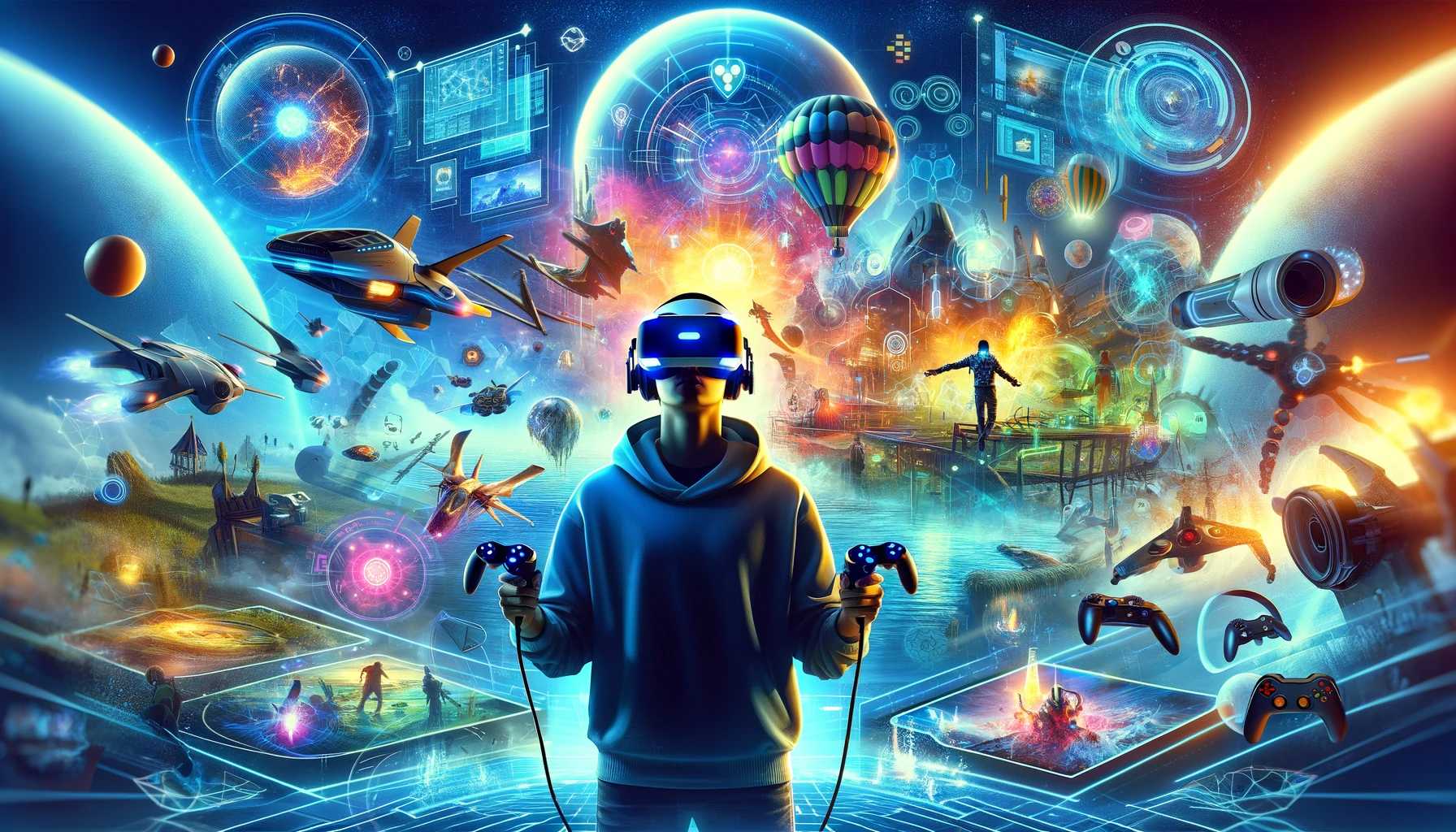
Imagine pointing your smartphone camera at a street and seeing virtual signs, directions, or information pop up on your screen, or playing a game where virtual characters appear in your living room. This exciting experience is called Augmented Reality, or AR.
Augmented Reality is changing how we interact with the world by adding digital elements to our real surroundings. But what exactly is AR? How does it work? What are its uses and benefits? And what can we expect in the future?
In this article, we will explain Augmented Reality in simple terms, explore its technology, applications, advantages, and challenges.
What Is Augmented Reality (AR)?
Augmented Reality (AR) is a technology that overlays digital information, such as images, sounds, or data, on the real world. Unlike Virtual Reality (VR), which creates a completely virtual environment, AR adds virtual elements to what you see around you.
For example, if you use an AR app on your phone, you might see virtual furniture in your actual room or get directions displayed on the street through your screen.
In simple words:
AR = Real world + Digital objects/information shown together.
How Does Augmented Reality Work?
AR uses several key technologies to work:
- Camera and Sensors: Devices like smartphones, tablets, or AR glasses use cameras and sensors to scan the real world.
- Processing: The device processes the data to recognize objects or locations in the real environment.
- Projection: The AR system overlays digital content — images, text, or 3D models — onto the real-world view.
- Display: This combined view is shown on the device’s screen or AR glasses, blending virtual and real objects.
- Interaction: Some AR systems allow users to interact with the virtual objects using gestures, voice, or controllers.
Types of Augmented Reality
There are several types of AR based on how and where it’s used:
1. Marker-Based AR
Uses a visual marker (like a QR code or special image) that the device recognizes to display the virtual content.
2. Markerless AR
Uses GPS, compass, or accelerometer data to place virtual objects based on your location without special markers.
3. Projection-Based AR
Projects light or images onto real surfaces, creating interactive experiences without screens.
4. Superimposition-Based AR
Replaces part of the real view with a modified or augmented version — for example, showing an X-ray view.
Common Examples of Augmented Reality
You might have already experienced AR without realizing it! Here are some popular examples:
- Mobile Games: Pokémon Go, where virtual creatures appear on your phone’s camera view.
- Shopping Apps: Try on clothes, glasses, or makeup virtually before buying.
- Navigation: Apps show directions and points of interest overlaid on your real-world view.
- Education: Interactive textbooks or apps that bring 3D models to life.
- Maintenance and Repair: AR guides technicians by showing instructions directly on machines.
- Healthcare: Assisting surgeons by overlaying critical information during operations.
Benefits of Augmented Reality
AR offers many advantages for both users and businesses:
1. Enhanced User Experience
AR adds useful information or entertainment to everyday life, making activities more engaging.
2. Better Learning and Training
Visualizing complex objects or concepts improves understanding and skills.
3. Increased Productivity
AR can help workers by providing real-time data and step-by-step instructions.
4. Cost Savings
Virtual try-ons reduce returns in shopping; AR maintenance reduces downtime.
5. New Marketing Opportunities
Brands use AR to create interactive ads and experiences that attract customers.
Challenges and Limitations of AR
Despite its promise, AR faces some challenges:
- Technical Complexity: AR requires powerful hardware and software to work smoothly.
- High Costs: Developing AR applications and devices can be expensive.
- Privacy Concerns: Collecting and processing real-world data raises security issues.
- User Experience Issues: Poor design can lead to discomfort, distraction, or confusion.
- Limited Field of View: Current AR devices have narrow viewing angles, limiting immersion.
AR vs. VR: What’s the Difference?
Both AR and VR are immersive technologies but differ in key ways:
| Aspect | Augmented Reality (AR) | Virtual Reality (VR) |
|---|---|---|
| Environment | Real world with virtual overlays | Fully virtual environment |
| Devices | Smartphones, tablets, AR glasses | VR headsets, motion sensors |
| Interaction | Combines real and virtual elements | Immerses user completely in virtual world |
| Use Cases | Navigation, shopping, training, repair | Gaming, simulations, virtual tours |
The Future of Augmented Reality
AR technology is rapidly evolving and will become more common in daily life:
- AR Glasses: Lightweight, stylish glasses replacing smartphones for AR experiences.
- Improved Sensors: More accurate mapping of real environments.
- 5G Networks: Faster connections enabling seamless AR streaming.
- AI Integration: Smarter AR apps that understand context and users better.
- Wider Adoption: AR in healthcare, education, retail, manufacturing, and more.
How to Start Using AR Today
- Use popular AR apps like Pokémon Go or IKEA Place (virtual furniture placement).
- Explore AR features on social media platforms like Instagram and Snapchat.
- Try AR-based shopping apps to virtually try products.
- Keep an eye on new AR devices and software developments.
Conclusion
Augmented Reality (AR) is a powerful technology that enhances our view of the world by blending virtual information with reality. It’s already making life more fun, easier, and productive in many ways.
As AR improves and becomes more affordable, it will change how we shop, learn, work, and play. Understanding AR today helps you prepare for a more connected and interactive tomorrow.
Ready to explore the world with new digital eyes?