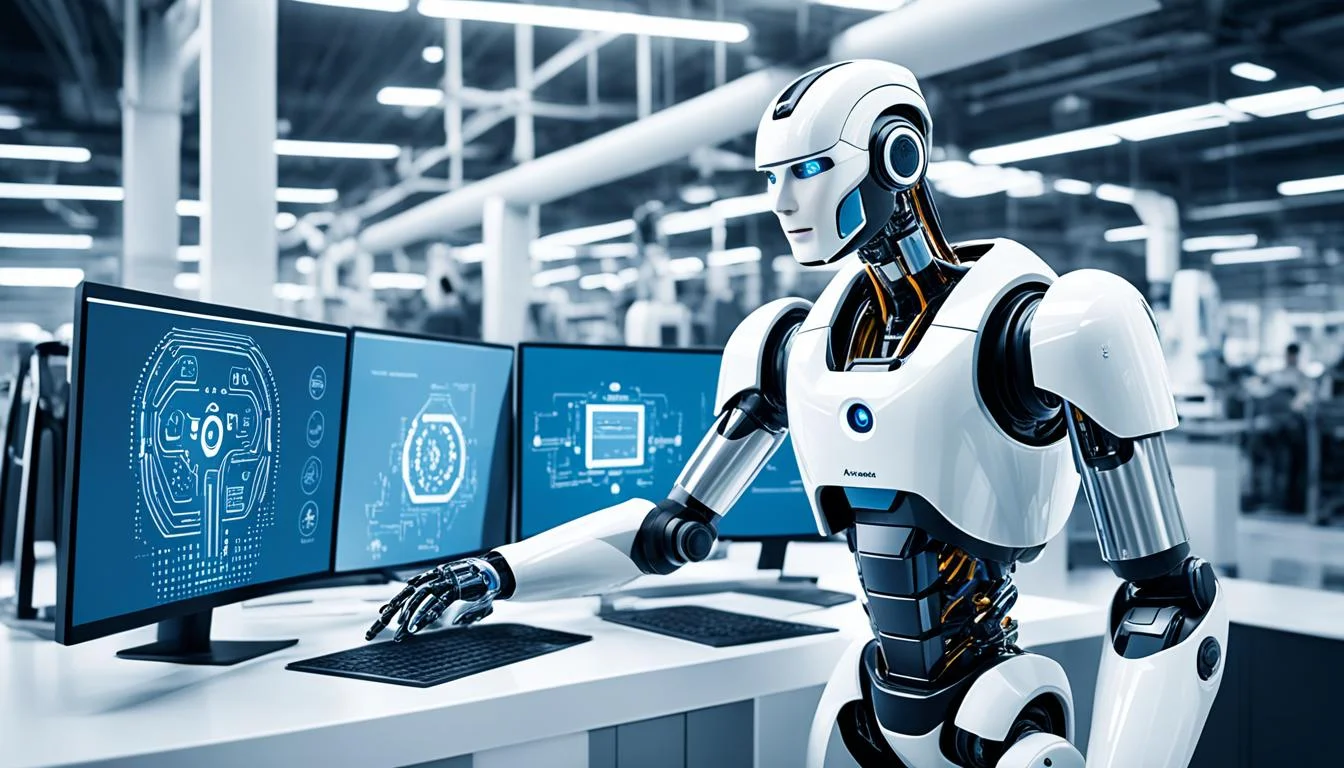
Robots are becoming an important part of our daily lives, from factories to homes and even space exploration. Robotics is the branch of technology that designs, builds, and operates robots—machines that can perform tasks automatically or with human guidance.
In this article, we will explore what robotics is, types of robots, their applications, benefits, challenges, and the future of robotics.
What Is Robotics?
Robotics is the science and technology of designing and building robots. Robots are machines that can perform tasks automatically or be controlled remotely. They can be simple, like a vacuum cleaning robot, or very complex, like a robotic arm assembling cars.
Robotics combines many fields, including mechanical engineering, electronics, computer science, and artificial intelligence.
Types of Robots
1. Industrial Robots
Used in factories, these robots handle repetitive or dangerous tasks, such as assembling cars or packaging products.
2. Service Robots
Designed to help humans in areas like healthcare, cleaning, or customer service. Examples include surgical robots and cleaning robots.
3. Mobile Robots
Robots that can move around, like drones, autonomous vehicles, and delivery robots.
4. Humanoid Robots
Robots designed to look and act like humans, used in research, entertainment, and assistance.
5. Exploration Robots
Robots sent to explore places humans cannot easily reach, such as space rovers on Mars or underwater drones.
Applications of Robotics
- Manufacturing: Robots speed up production, improve quality, and increase safety.
- Healthcare: Surgical robots enable precise operations, and robotic prosthetics help people with disabilities.
- Agriculture: Robots automate planting, harvesting, and monitoring crops.
- Military and Defense: Robots perform surveillance, bomb disposal, and rescue missions.
- Household: Cleaning robots like Roomba make chores easier.
- Entertainment: Robots are used in movies, theme parks, and education.
Benefits of Robotics
- Efficiency: Robots work faster and longer without breaks.
- Precision: Robots perform tasks with high accuracy.
- Safety: Robots can do dangerous jobs, reducing human risk.
- Cost Savings: Over time, robots reduce labor and error costs.
- Innovation: Robotics drives new products and services.
Challenges of Robotics
- High Costs: Designing and building robots can be expensive.
- Job Impact: Robots may replace some human jobs, raising concerns.
- Complexity: Programming and maintaining robots requires skilled experts.
- Ethical Issues: Use of robots in warfare or surveillance raises moral questions.
- Reliability: Robots must be highly reliable to avoid accidents.
The Future of Robotics
Robotics will grow with advances in AI, sensors, and materials. Future robots may work alongside humans in homes, offices, and factories, helping with tasks and improving lives.
Research is ongoing in soft robotics, swarm robotics, and robots with human-like learning abilities.
How to Get Involved in Robotics
- Study subjects like math, science, and computer programming.
- Build simple robots using kits or online tutorials.
- Join robotics clubs or competitions.
- Explore careers in engineering, programming, and design.
Conclusion
Robotics is a fascinating field that is transforming industries and everyday life. As robots become smarter and more capable, they will open new opportunities and challenges.
Understanding robotics helps us prepare for a future where humans and robots work together for a better world.